

Partnering with you to create Your story. Your story is at the heart of everything we do.
Is South Boston Still a Good Place to Move in 2026? What Buyers and Homeowners Should Know
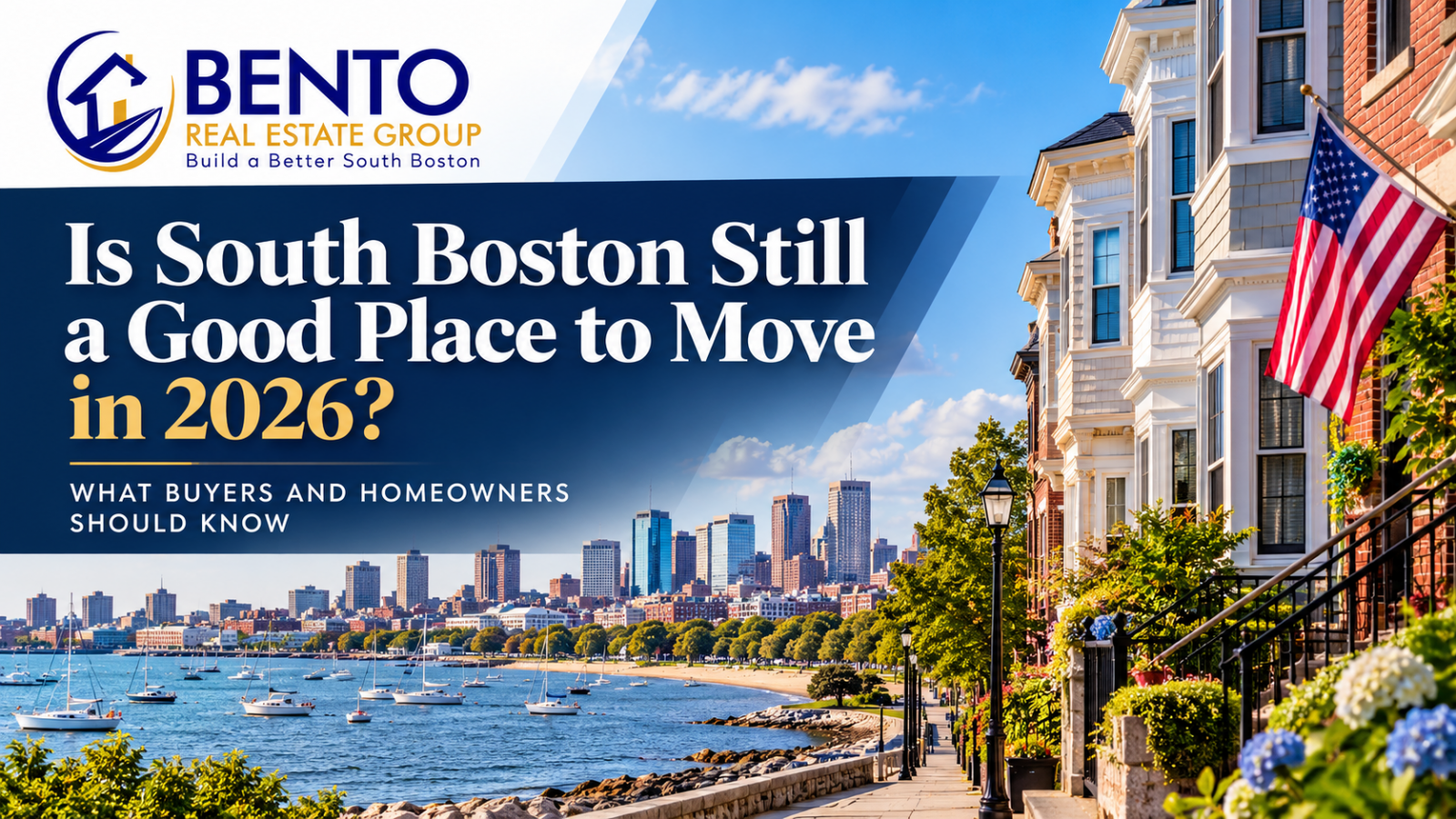
Is South Boston Still a Good Place to Move in 2026? What Buyers and Homeowners Should Know
South Boston has long been one of Boston’s most recognizable neighborhoods, known for its waterfront, neighborhood restaurants, historic housing, and strong sense of community. But with changing housing costs, new development, and evolving buyer expectations, an important question remains: Is South Boston still a good place to move in 2026?
For many buyers, the answer is yes. South Boston continues to offer a compelling combination of urban convenience, waterfront recreation, distinctive residential streets, and access to downtown Boston. However, whether moving to South Boston makes sense depends on your budget, lifestyle, housing needs, and long-term plans.
If you're considering buying, selling, or relocating within South Boston, here's what you should know about living in the 02127 ZIP code in 2026.
1. Why South Boston Remains an Attractive Place to Live


8
One of South Boston's greatest strengths is its ability to combine city living with a genuine neighborhood atmosphere.
Unlike some Boston neighborhoods dominated by commercial development, much of South Boston retains its residential character. You'll find traditional triple-deckers, brick rowhouses, condominium conversions, and newer residential buildings throughout the area.
Residents enjoy several lifestyle advantages:
-
Waterfront access: Castle Island, Pleasure Bay, Carson Beach, and M Street Beach provide opportunities for walking, running, relaxing, and enjoying Boston Harbor.
-
Neighborhood businesses: Broadway and surrounding streets feature restaurants, cafés, fitness studios, and independently owned businesses.
-
Access to downtown: The MBTA's Red Line at Broadway and Andrew, along with bus connections, supports commuting without relying exclusively on a car.
-
Community identity: Long-established neighborhood traditions coexist with newer residents, businesses, and housing developments.
For buyers who want a walkable Boston neighborhood without sacrificing access to outdoor space, South Boston remains an appealing option.
2. What Is the South Boston Real Estate Market Like in 2026?
South Boston's housing market is not one-size-fits-all.
A renovated condominium near East Broadway can attract a different buyer than a multi-family property near Andrew Square or a luxury residence overlooking the waterfront.
Rather than relying on one neighborhood-wide average, buyers and sellers should evaluate comparable properties by location, condition, size, layout, parking, outdoor space, and building characteristics.
Condominiums Remain a Major Part of the Market
Condominiums are a significant part of South Boston's housing inventory, ranging from smaller units in converted buildings to newer luxury residences.
Buyers should look beyond the listing price and consider condominium fees, reserve funds, insurance, anticipated capital improvements, and association rules.
For sellers, details such as private outdoor space, deeded parking, storage, and recent renovations can influence how a property compares with competing listings.
Multi-Family Properties Offer Different Opportunities
South Boston's two-family and three-family properties can appeal to investors, owner-occupants, and buyers seeking rental income.
However, rental potential should be evaluated alongside maintenance expenses, financing requirements, insurance, property taxes, and applicable rental regulations.
Pricing Requires Hyperlocal Knowledge
Two properties with similar square footage can have different market appeal depending on their street, building, layout, and amenities.
The most useful measure of South Boston property value in 2026 is a recent, property-specific comparable-sales analysis—not a generalized Boston housing statistic.
3. Which Parts of South Boston Are Best for Your Lifestyle?

City Point
City Point appeals to residents who value proximity to Castle Island, beaches, and established residential streets. Buyers often consider outdoor access, parking availability, and proximity to neighborhood amenities.

East Broadway and the surrounding streets
This area offers convenient access to local shops, restaurants, and neighborhood services. It can be particularly attractive to buyers prioritizing walkability and everyday convenience.

Andrew Square and nearby residential areas
Buyers considering this part of South Boston may appreciate access to the Red Line, major roads, and a mix of residential property types. Street-by-street comparisons are especially important.

Fort Point and the nearby Seaport
Although these areas have distinct identities and are not interchangeable with traditional South Boston residential neighborhoods, they provide nearby dining, employment, cultural attractions, and newer housing options.
There is no universally best section of South Boston. The right location depends on whether you prioritize commuting, quieter residential surroundings, waterfront access, housing style, or proximity to restaurants and shops.
4. What Are the Downsides of Living in South Boston?
South Boston offers meaningful lifestyle benefits, but prospective residents should understand the trade-offs before purchasing.
Housing affordability: Buyers may need to compromise on square footage, parking, outdoor space, or building age to find a property that fits their budget.
Parking: On-street parking can be challenging, particularly in denser residential areas. Buyers who own vehicles should investigate parking arrangements before making an offer.
Traffic and transportation: South Boston's proximity to downtown is valuable, but road congestion, bus travel times, and transit connections can vary substantially by location and time of day.
Older housing: Historic buildings and condominium conversions may require additional attention to roofing, masonry, plumbing, insulation, and shared-building maintenance.
Coastal exposure: Properties near Boston Harbor deserve careful review for flood risk, insurance considerations, and long-term resilience. Buyers can consult the City of Boston's Climate Ready Boston resources and property-specific flood information.
These factors do not necessarily make South Boston a poor choice. They make careful property selection and due diligence especially important.
5. Is Moving to South Boston a Smart Long-Term Decision?
For buyers planning to stay several years, South Boston offers qualities that can support long-term residential appeal: an established housing stock, access to jobs and transportation, neighborhood amenities, and waterfront recreation.
However, no neighborhood guarantees property appreciation or future resale returns.
A smart purchase should balance lifestyle satisfaction with financial flexibility.
Before buying, consider how the property will serve your needs if your household changes, whether the total monthly cost is comfortable, and how the property's layout, condition, and amenities may appeal to future buyers.
For existing South Boston homeowners, the same considerations matter when deciding whether to renovate, move to a larger property, downsize, or sell.
A homeowner with a well-located condominium may have different opportunities and challenges than someone who owns a multi-family building or a single-family residence near the waterfront.
Understanding your property's position within its specific market segment is essential.
Conclusion: Is South Boston Worth Moving to in 2026?
Yes, South Boston is still worth considering in 2026, particularly for people who value neighborhood character, waterfront recreation, walkability, and convenient access to central Boston.
But South Boston is not the right fit for every buyer. Housing costs, parking, building conditions, and location-specific considerations deserve careful evaluation.
The best decision comes from understanding both the neighborhood's lifestyle benefits and the realities of its housing market.
Thinking About Buying or Selling in South Boston?
Whether you're considering a move to South Boston, relocating within the neighborhood, or wondering what your current property could sell for, local insight can make the process more informed.
Contact Darcy Bento at Bento Real Estate for personalized guidance on South Boston homes, neighborhood differences, property values, and buying or selling in the 02127 market.
Darcy Bento, South Boston Realtor Bento Real Estate Group's blog | login or register to post comments